
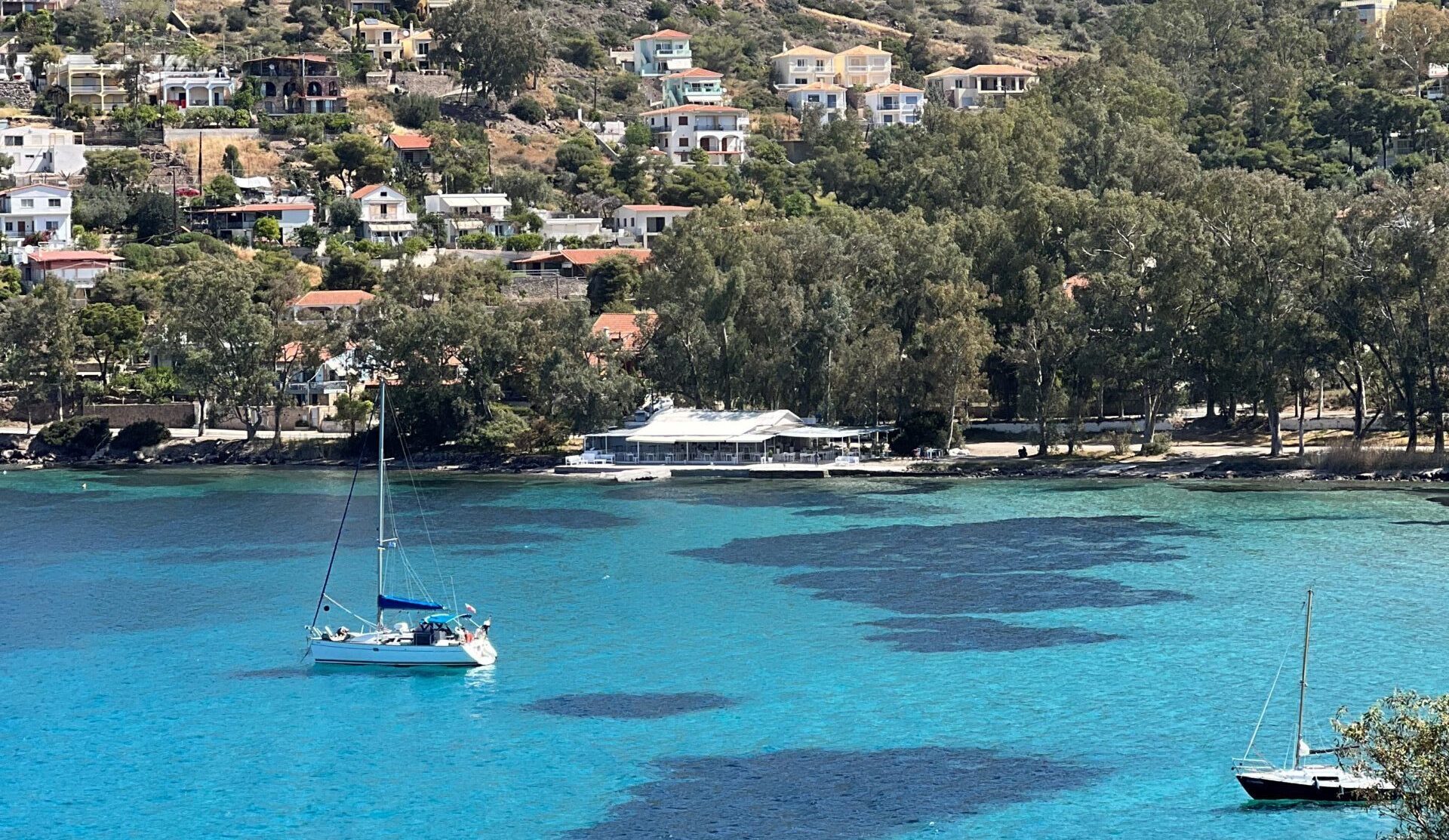
AEGINA
At the center of the Saronic Gulf, at the junction of sea routes, with a mild climate, sufficient arable land and beautiful beaches, Aegina was inhabited by man already in the Late Neolithic period.
The island reached the zenith of its development during the 6th and 7th century bc and made a major contribution during the battle of Salamis against the Persians. From 1827 to 1829 the island was declared the temporary capital of the partly liberated Greece.
Plentiful ancient and religious sites, picturesque villages and the Aegina capital town with its neoclassical buildings, seafront promenade and narrow alleys, render the island perfect for summer breakouts.
Aegina is surrounded by the islands of Moni, Metopi and Agistri in the west and numerous rocky islets in the north and forms part of an island complex with unlimited exploratory sea destinations.
Famous for the pottery and pistachio corps
Numerous traditional restaurants all around the island offer a variety of local delicacies and fresh seafood.
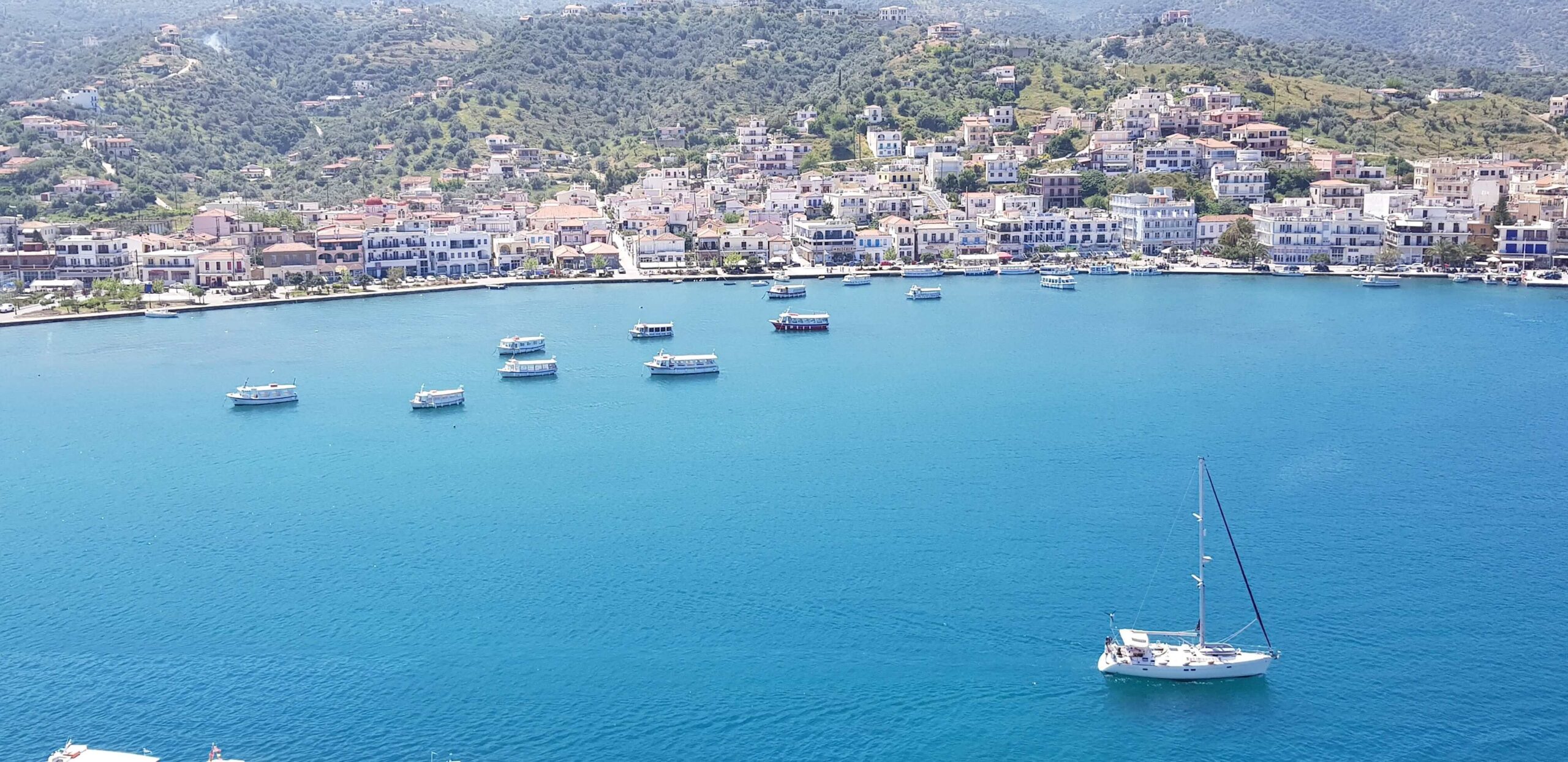
poros
Poros lies to the south of Aegina and just 200 meters from the coast of the Peloponnese, to which it was joined until Late Antiquity, when it was separated due to subsidence of the ground. It actually comprises two islands joined together by a narrow isthmus, the smaller Sphairia and the bigger Kalavria known for the famous temple of Poseidon (520 bc).
Inhabitants of Kalavria along with the cities that formed the Amphictiony of Kalavria created Sibari (south Italy) offering the name Kalavria throughout its neighboring area.
Due to its strategic location was the site of the first naval base in modern Greece established in 1827 and served as well as Russian naval base throughout the 19th century.
Poros is an island with rich vegetation, large areas of pine forest and a lacy leeward gulf with numerous sandy beaches and bays rendering it ideal for sea rides& sea sports. The traditional town of Poros is built amphitheatrically with beautiful whitewashed neo-classical houses wrapped in bougainvillea. Simply walking through its narrow alleyways you travel back in time.
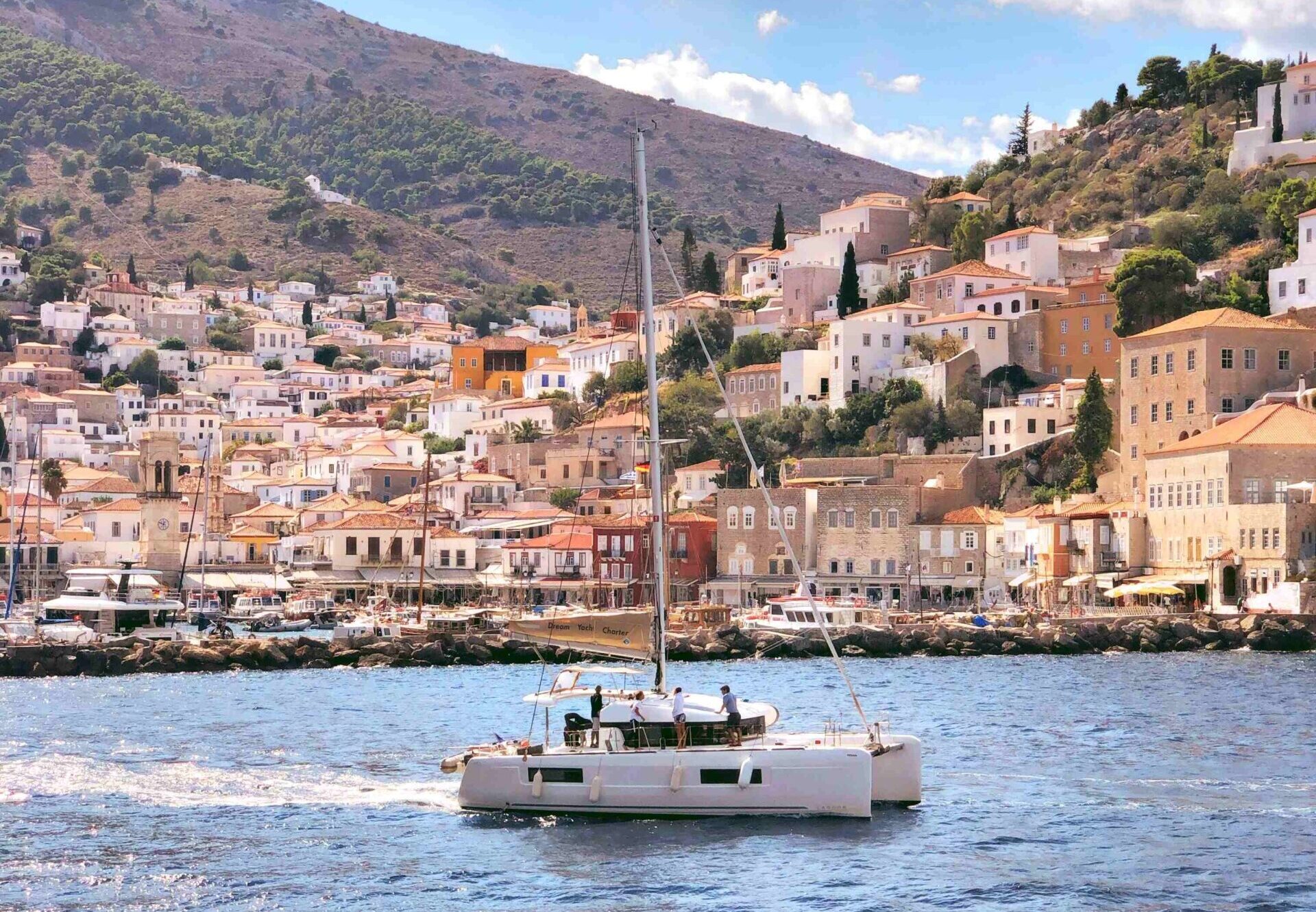
HYDRA
Hydra, one of the most cosmopolitan Greek islands , is located in the heart of the Argo Saronic Gulf. It’s the perfect option for a quick getaway!
Hydra benefits from numerous bays and natural harbors, has a strong maritime culture and hosts the first Greek naval academy since 1749.
Hydra joined the cause of independence, and its contribution of some 150 ships to fight against the Turks played a critical role.
The island is a popular yachting destination and is the home of the international Kamini Yacht Club.
On Hydra island, you won’t see any cars! Elegant stone mansions, narrow alleys, donkeys walking around, churches, little shops, and a picturesque waterfront set the scene of an island fairytale.
In 2007, a panel of 522 experts rated Hydra the highest of any Greek island (11th out of 111 islands worldwide) as a unique destination preserving its “integrity of place. One of the best things to do in Hydra is to visit its museums. The Byzantine Museum, the Historical Archive Museum, the Post-Byzantine Art and History Museum and the National Historical Museum are some of the best museums to visit!
Moving away from the main town, you’ll discover picturesque villages, such as Kaminia and Vlichos, where you will immerse yourself in the traditional side of Hydra. As for Hydra beaches, they are the ideal places to escape the summer heat! The best beaches in Hydra are Vlichos, Kaminia, Bisti and Agios Nikolaos.
If you like elegant destinations, you’ll fall in love with Hydra.
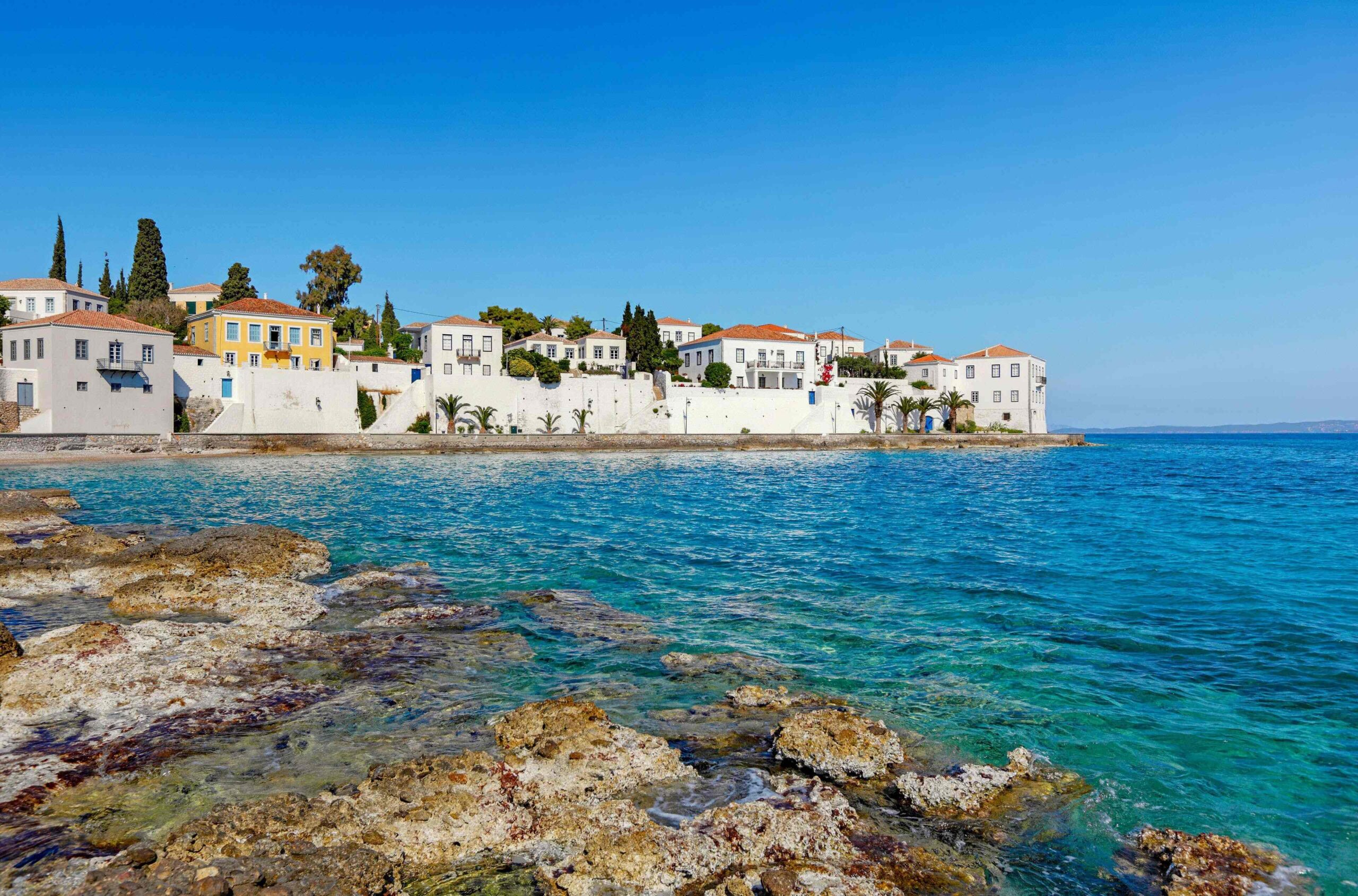
Spetses
Santorini
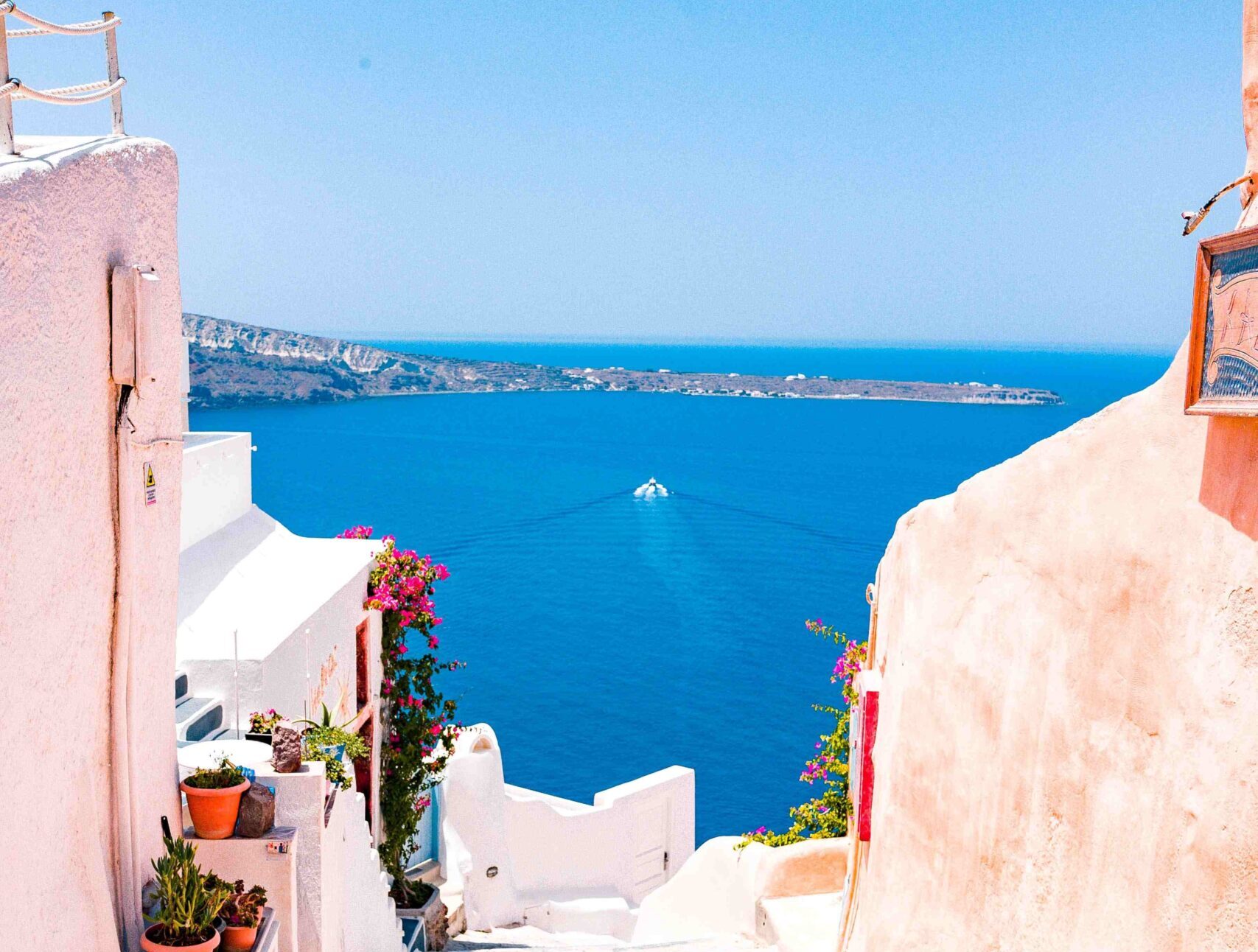
Crescent-shaped Santorini (or Thíra), the precious gem on the southern side of the Aegean sea is a part of Cyclades islands complex. The island was created after a huge eruption of a volcano, occurred in 17th century B.C., which shaped the breathtaking caldera, consisting of Thíra, Thirassiá, Asproníssi, Palea and Nea Kaméni in the southernmost part of Cyclades.
Once you set your foot in Santorini, you’ll feel like entering a whole new world. A world where all the shades of red create unreal sunsets, Santorini caldera offers the most dramatic sea views you’ve ever seen and enormous cliffs are dotted with dreamy Cycladic whitewashed houses!
Nothing will prepare you for the beauty you’ll face in Santorini. It is a unique
What to do in Santorini
Walks
The obvious activity is to walk the caldera edge and admire the views. Walks in and around Fira are spectacular, particularly heading north to Firostefani and Imerovigli along the caldera-edge pathway. Keep walking and you’ll eventually reach Oia, but be aware that this is no small undertaking and the trail beyond Imerovigli can be rough. It’s about 9km in all, and a good three- to four-hours’ walk in one direction.
Wine-tasting
Santorini’s lauded wines are its crisp dry whites and the amber-coloured, unfortified dessert wine known as Vinsanto. Both are made from the indigenous grape variety, assyrtiko. About a dozen local vineyards host tastings (usually with a small charge) and some offer food, with scenery and local produce combining to great effect. Start your investigations at the large, slick SantoWines.
History
Santorini’s intrigue reaches deep into the past, with the fascinating site of Akrotiri displaying a Minoan city destroyed by the volcanic eruption of 1613 BC. In Fira, the impressive Museum of Prehistoric Thera helps piece together the story of ancient Akrotiri.
Sunsets
Nature’s handiwork is on display from any waterfront seat come sundown, but prime sunset-viewing is in Oia, where thousands of tourists flock to admire (and applaud) nightfall.
Mykonos – Delos
Mykonos
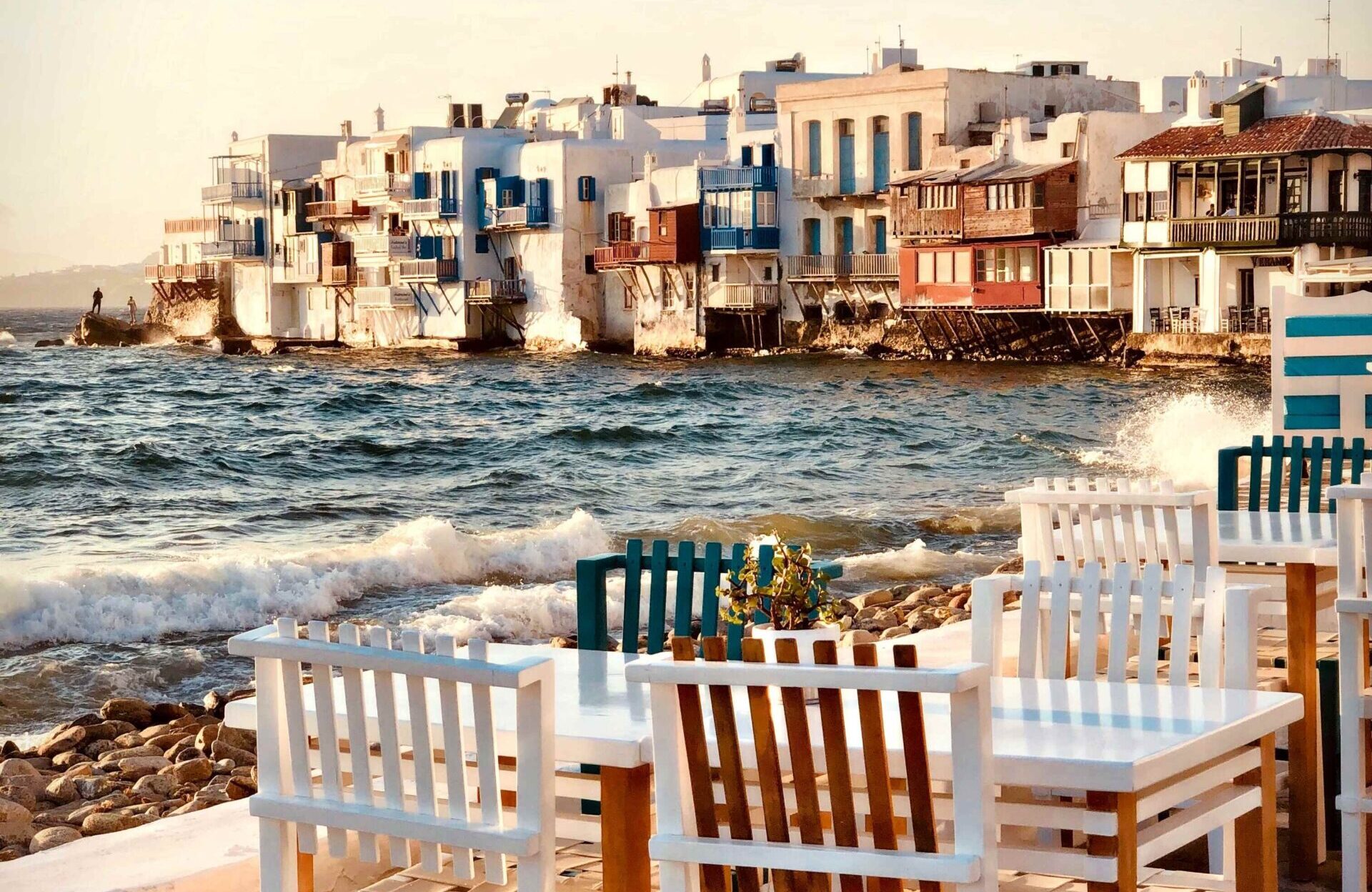
In Greek mythology, Mykonos was named after its first ruler, Mykonos (Μύκονος), the son or grandson of the god Apollo and a local hero. The island is also said to have been the location of the Gigantomachy, the great battle between Zeus and Giants. Hercules killed the invincible giants having lured them from the protection of Mount Olympus.
According to myth, the large rocks all over the island are said to be the petrified corpses of the giants.
Delos
Where light was born
It’s a UNESCO world heritage site. It’s an ark of history, floating lazily on the waters of the Aegean Sea, just a few miles away from cosmopolitan Mykonos. It’s a chance to walk around the revival of the glory of the Greek civilization. It’s the head priest of the Cyclades, the birthplace of the immortals. It’s Delos.
Koufonisia - KEROS
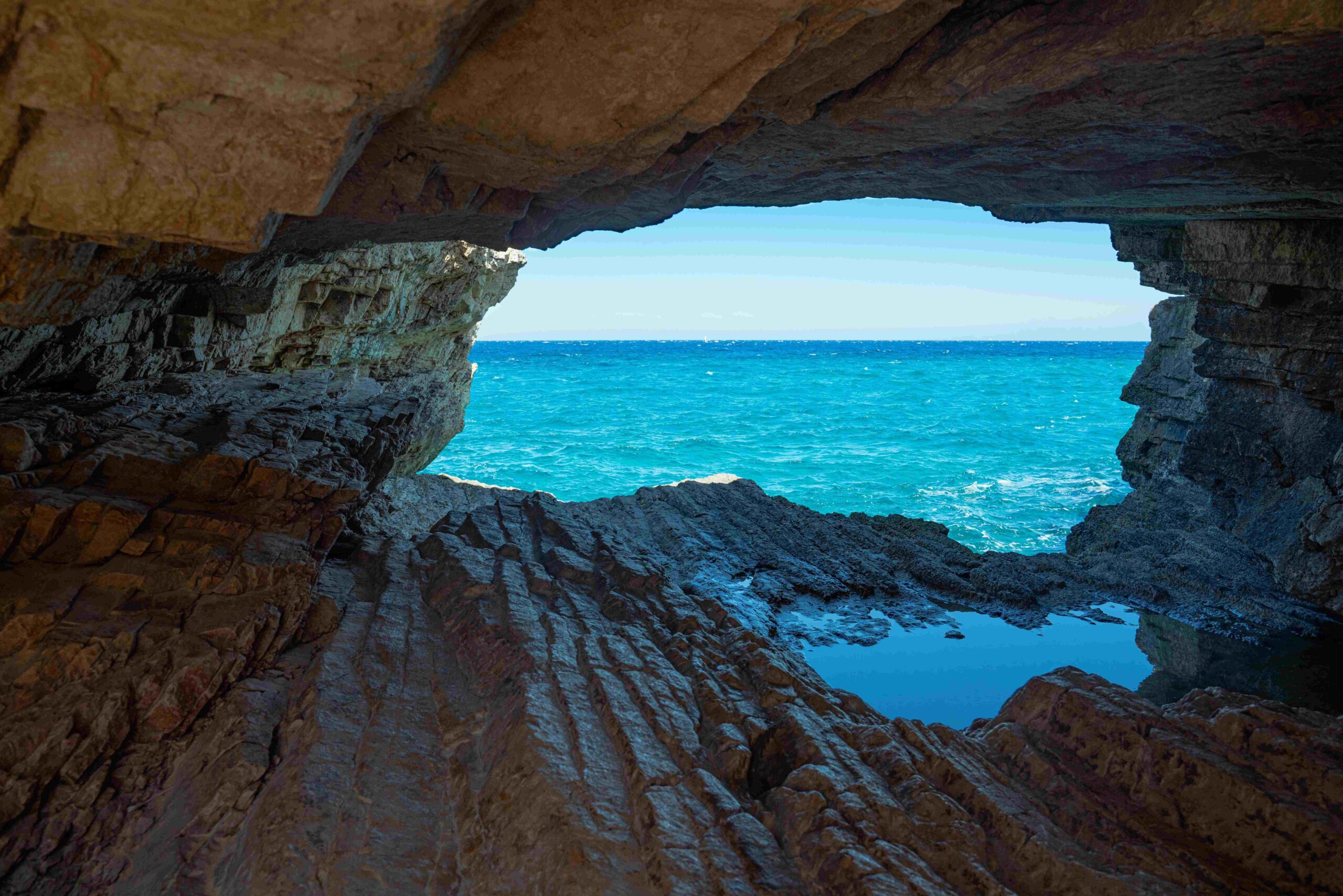
Koufonisia islands are two small islets of the small Cyclades of Greece. The upper Koufonisi and lower Koufonisi are hard to locate even on a map, but offer infinite beauty capable of seducing even the most restrained visitor! Many things could be said to describe them, however in reality they defy description. No words can truly illustrate the magic the visitor experiences from the very first moment they set foot on the Koufonisia islands. The Aegean seas sun bathes the golden beaches and turquoise waters where the sea has sculpted the rocks into unique shapes and sea caves from whence the names of the islands are derived (Koufonisia – Hollow islands).
Keros
Neighboring Keros captures the eye and the friendly, hospitable people make you feel as though you were part of one big happy group. The excavations at Dhaskalio (directed by Colin Renfrew and Michael Boyd of the McDonald Institute, University of Cambridge) have completely transformed our understanding of what was previously seen as a Cycladic enigma. The today uninhabited island of Keros, in Cyclades, Greece, was the site of the world’s earliest maritime sanctuary in the Early Bronze Age, and a thriving center for metal production, providing much evidence for all crucial developments in architecture. Hidden treasures worth to be explored. Their untouched beauty and the breathtaking rocky Cycladic landscape create a captivating environment. On this amazing little islands of exceptional beauty you can enjoy the gold soft sand and the turquoise water. Ideal for those who seek isolation and relaxation.
Paros
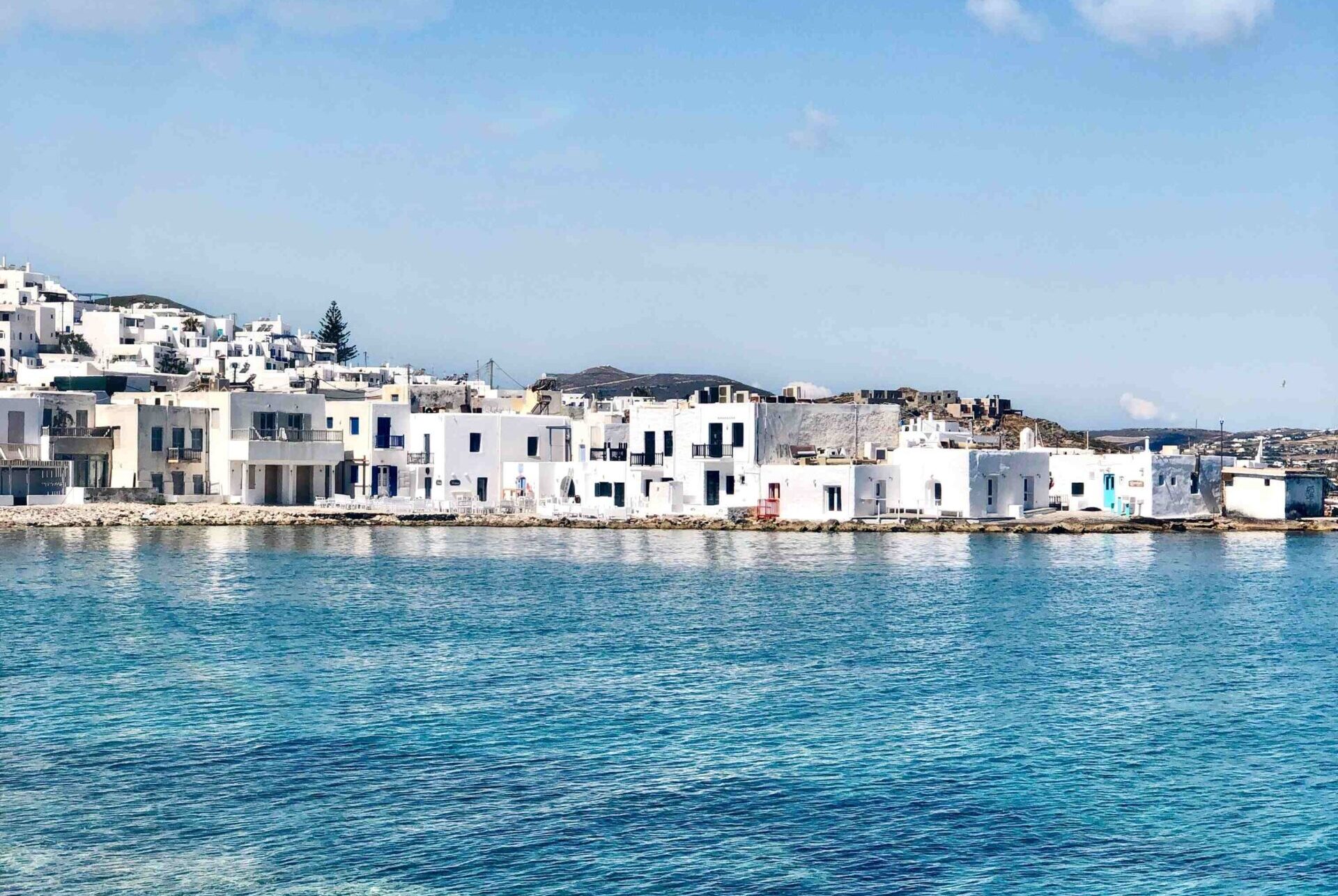
Paros is an island of the Cyclades island group. Combining modern with traditional elements in the most unique way, Paros is a mix of traditional Cycladic architecture, vivid nightlife, magical Paros beaches, enchanting rural villages, and historical monuments. Whether you’re after a relaxing holiday or you are more of a thrill-seeker, Paros island Greece will give you exactly what you want!
Paros Greece is one of the most popular Greek islands! Boasting a beautiful natural landscape and 120 km of coastline, it has endless blonde-sand beaches, verdant mountains and cliff-top villages galore.
What’s more, its proximity to popular Cyclades islands, such as Mykonos, Santorini, and Naxos makes it the perfect Greece island hopping base!
The two main villages of Paros Greece (and also where the heart of the island’s nightlife beats) are Parikia and Naoussa. Full of traditional taverns, luxurious restaurants and sophisticated bars, Parikia and Naoussa overflow with young crowds every night. If crowded places and loud music aren’t your cups of tea, though, you can wander in the tranquil traditional villages of Lefkes and Marpissa. You’ll be pleasantly surprised by the different faces of Paros!In truth, this island is famous for one thing in particular: its beaches! Huge, sandy, with crystal clear waters and many facilities, Paros beaches are stunning! Santa Maria, Golden Beach Paros, Punta, and Kolymbithres are some of the most famous beaches in Paros. However, there are also many secluded beaches, for those who seek.
Naxos
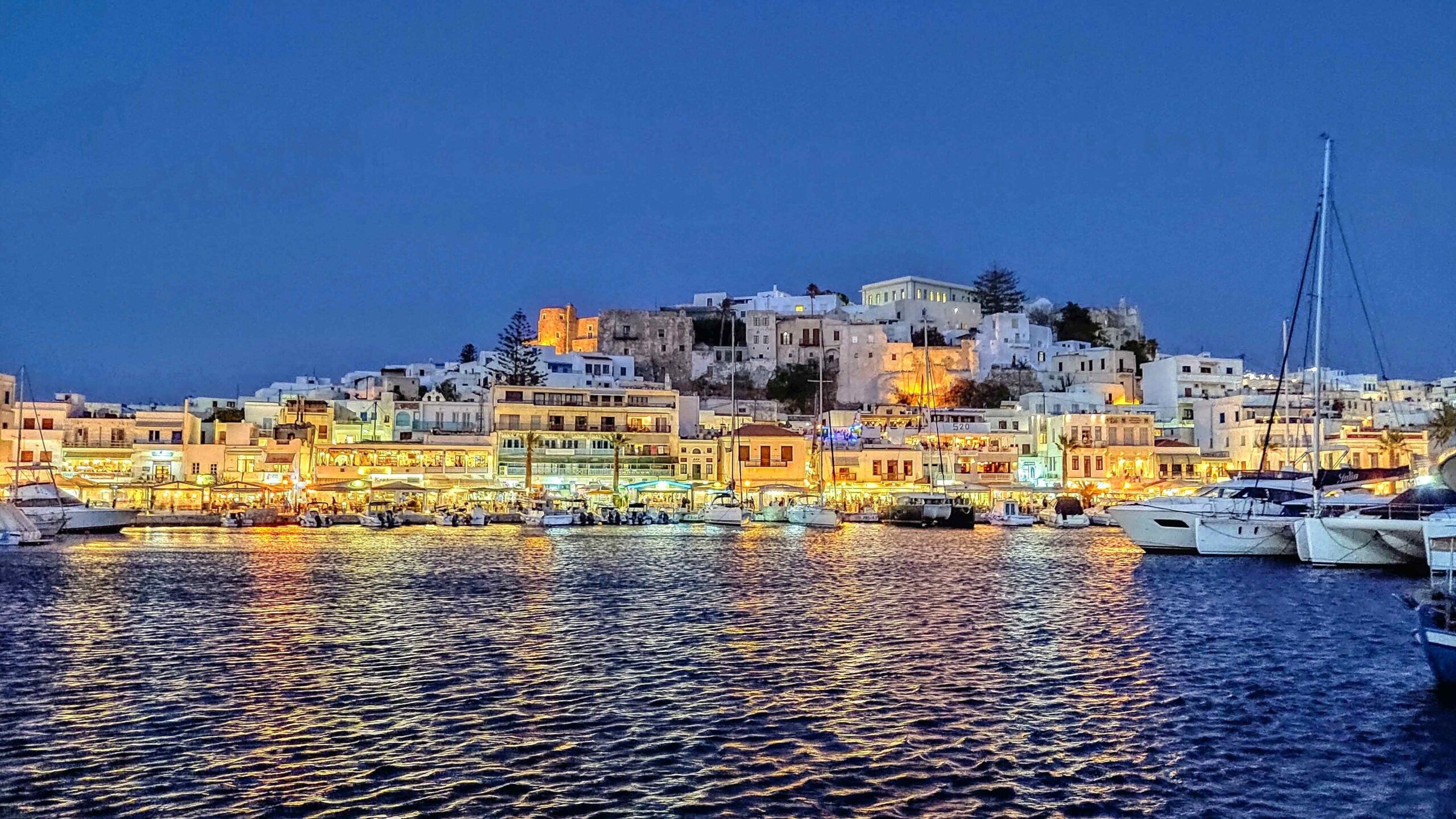
Despite being relatively underrated, compared to the neighboring Greek islands, Naxos is one of the most interesting destinations in Greece! Its glorious ancient past and strong influences of the Venetians and the Franks are responsible for the abundance of ancient sites. Naxos breathes history!
Apart from its impressive monuments, though, Naxos boasts a beautiful natural landscape, as it is the greenest island of the Cyclades. Imposing mountains, green valleys, beautiful beaches, and rural villages will exalt nature lovers’ spirits!Naxos Greece sits in the center of Cyclades islands group, in the heart of the Aegean sea. It is the biggest and the greenest island of the Cyclades, boasting a magnificent natural landscape! The island’s rich history is reflected in the many archaeological sites that embellish it. The most iconic of them -and the trademark of Naxos- is Portara, the remaining gate of an ancient temple dedicated to the Greek god Apollo.
Chora, the main town of Naxos, is a wonderful mixture of Venetian and traditional Cycladic architecture. Above the Cycladic whitewashed houses of Chora stands the imposing Venetian castle, oozing a medieval charm!
Are you a thrill-seeker? There’s a whole heap of amazing things to do in Naxos’ nature! Visit enchanting mountain villages, explore Mount Zas, test your skills in water sports such as windsurfing and kitesurfing, hike in the verdant nature…
Naxos holiday is a never-ending adventure!As for Naxos beaches, they are considered as some of the best beaches of the Cyclades islands! The coastline of Naxos is fringed with small coves, creating an array of beautiful sandy- and uncrowded- beaches with cobalt waters. Don’t leave the island before having a dip in Mikri Vigla beach, Agios Georgios beach, and Plaka beach. Naxos island is the ultimate unpretentious summer escape! Are you ready to explore it?
Corfu
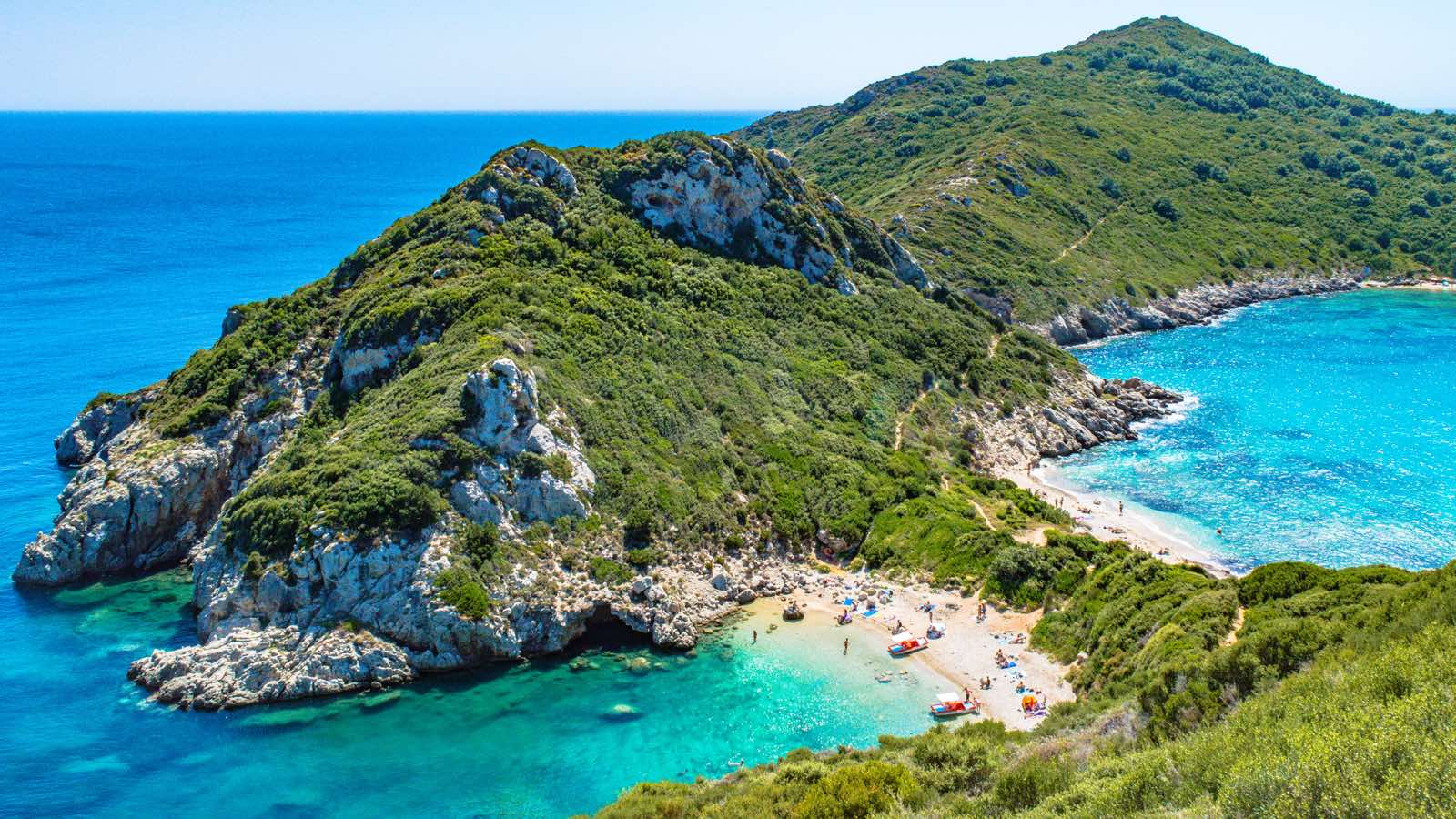
Corfu Greece is one of the most beautiful and romantic islands of the Ionian island group. From lush green hills to noble mansions and from idyllic Corfu beaches, to interesting museums, this island has everything it takes to please any type of traveler.
Strongly influenced by the Venetians, the French and the English, Corfu Town is a brilliant base for exploration. Get lost in the narrow cobblestone alleys, the so-called “kandounia”, visit museums, such as the Museum of Asian Art, walk down the famous Liston promenade, stroll around the huge Spianada square… The whole Corfu town squeezes out a nostalgic charm! You’ll see the glorious past of Corfu on imposing palaces, noble mansions, beautiful museums, and charming squares. Moving away from Corfu Town, you’ll discover picturesque seaside villages, tiny verdant islets, luxurious Corfu resorts, and wild natural landscapes. It’s amazing how the different sides of this idyllic island coexist in harmony!
If you manage to peel yourself away from the enchanting Corfu Town, move to the coasts of Corfu, where beautiful Corfu beaches are nestled! The beaches in Dassia, Paleokastritsa, Glyfada, Kontokali, and Kavos are must-visits. Nestled in sandy coves, surrounded by green forests and mountains, they are some of the best beaches in Greece!
As for sightseeing, it’s one of the best things to do in Corfu! The top places to visit in Corfu are Achillion Palace, the former retreat of princess Sissi of Austria, Mon Repos palace, where Phillip, the husband of Queen Elizabeth II was born, the iconic Panagia Vlacherna and Pontikonisi island. They will make you fall even deeper in love with Corfu!
Corfu Greece is famous for one thing in particular: it’s food! Based on meat, fish, pasta, and herbs, the island’s gastronomy will excite those who love good food. The excellent Corfu restaurants and traditional taverns are the best places to taste the local delicacies!